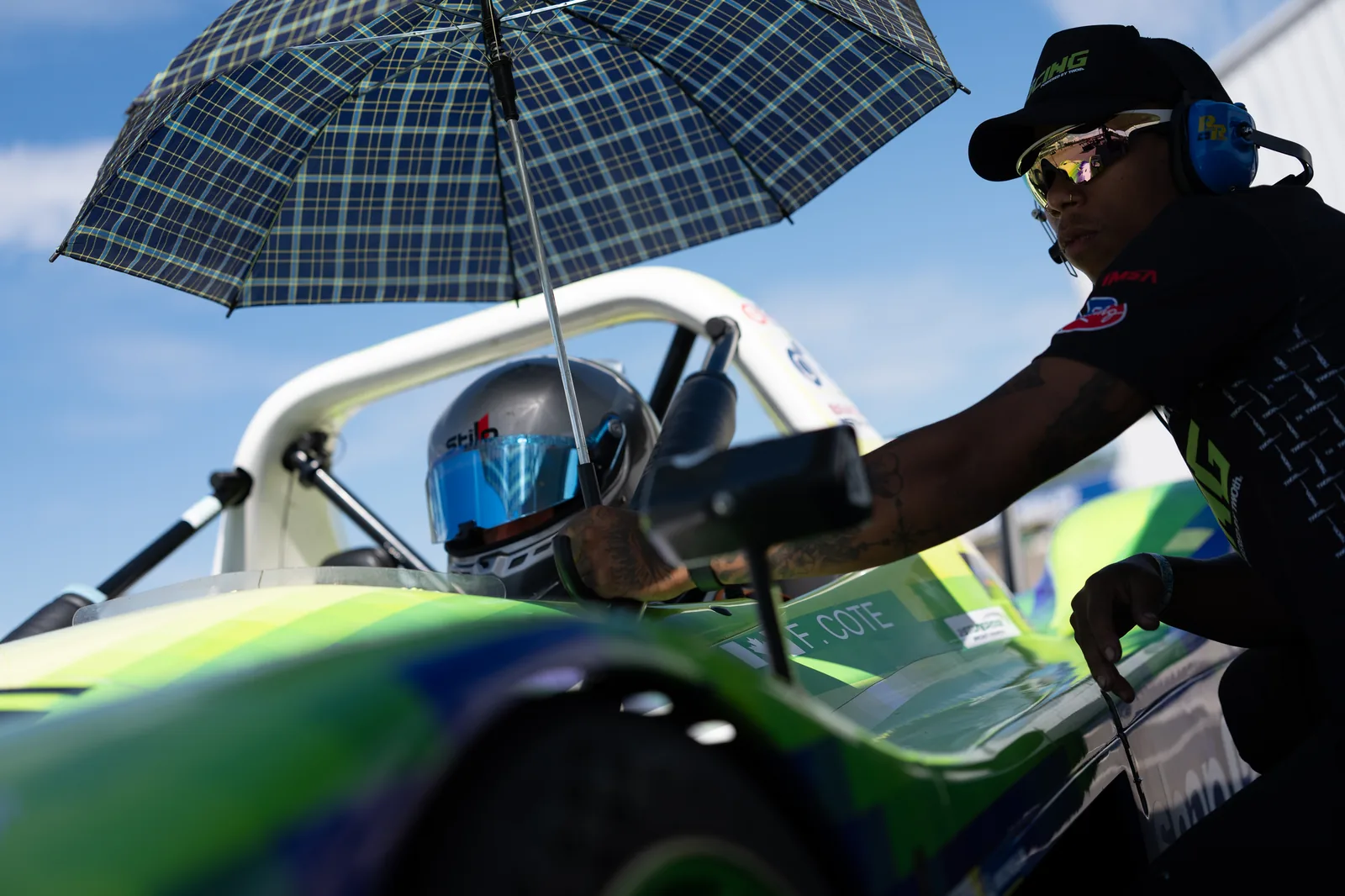
Three numbers tell the story of my first real race weekend.
Nobody walking through the paddock would look twice at them. To me they are proof of the thing every rookie driver is chasing: progress you can actually measure.
That progress happened at Canadian Tire Motorsport Park on the last weekend of June, in a Radical SR3 RSX. Two days, two races, and more learning than I could have packed into a month anywhere else. If you're thinking about racing in Canada, this is the track you eventually have to meet. Here's what meeting it for the first time was like.
What Canadian Tire Motorsport Park asks of you
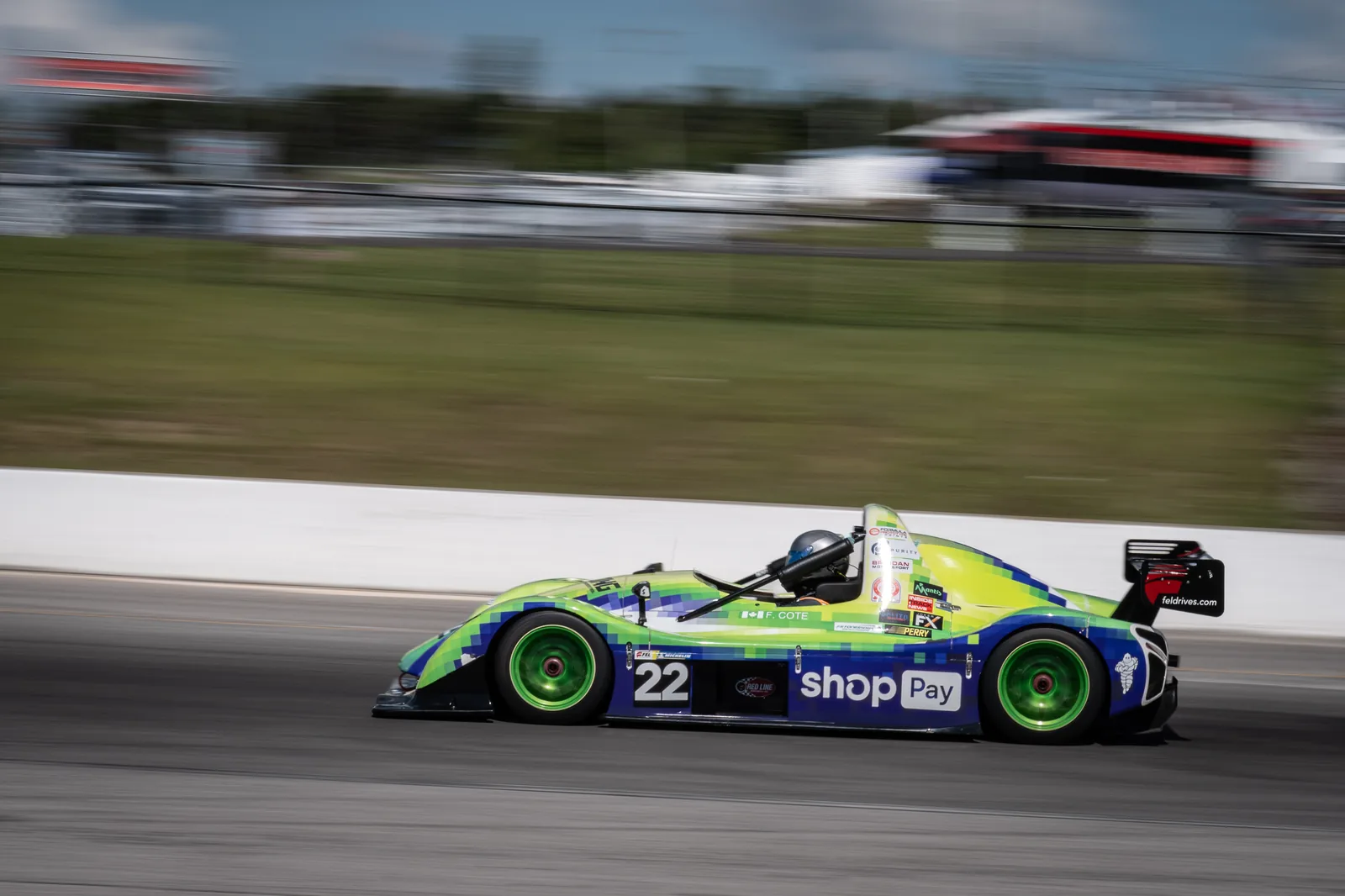
Ask any Canadian club racer to name the country's benchmark circuit and most will say Mosport before correcting themselves to the full name, Canadian Tire Motorsport Park. The place has history in its bones. Formula One raced here. The great sports car fields of the sixties and seventies raced here. It's just under four kilometres of old school, fast, flowing road course that rises and falls through the Ontario countryside, and it does not flatter anyone.
What makes it special is commitment. Most of the lap lives in fast corners where the car goes light over crests and the exits matter enormously. Then there's Moss Corner, the slow complex at the bottom of the hill, where all that speed has to be gathered up, managed, and relaunched onto the back straight. Get it wrong and you pay for it all the way down the straight that follows.
I had driven quick machinery before. I had never driven anything that made me respect a piece of pavement like this.
The step up: what a regional weekend looks like
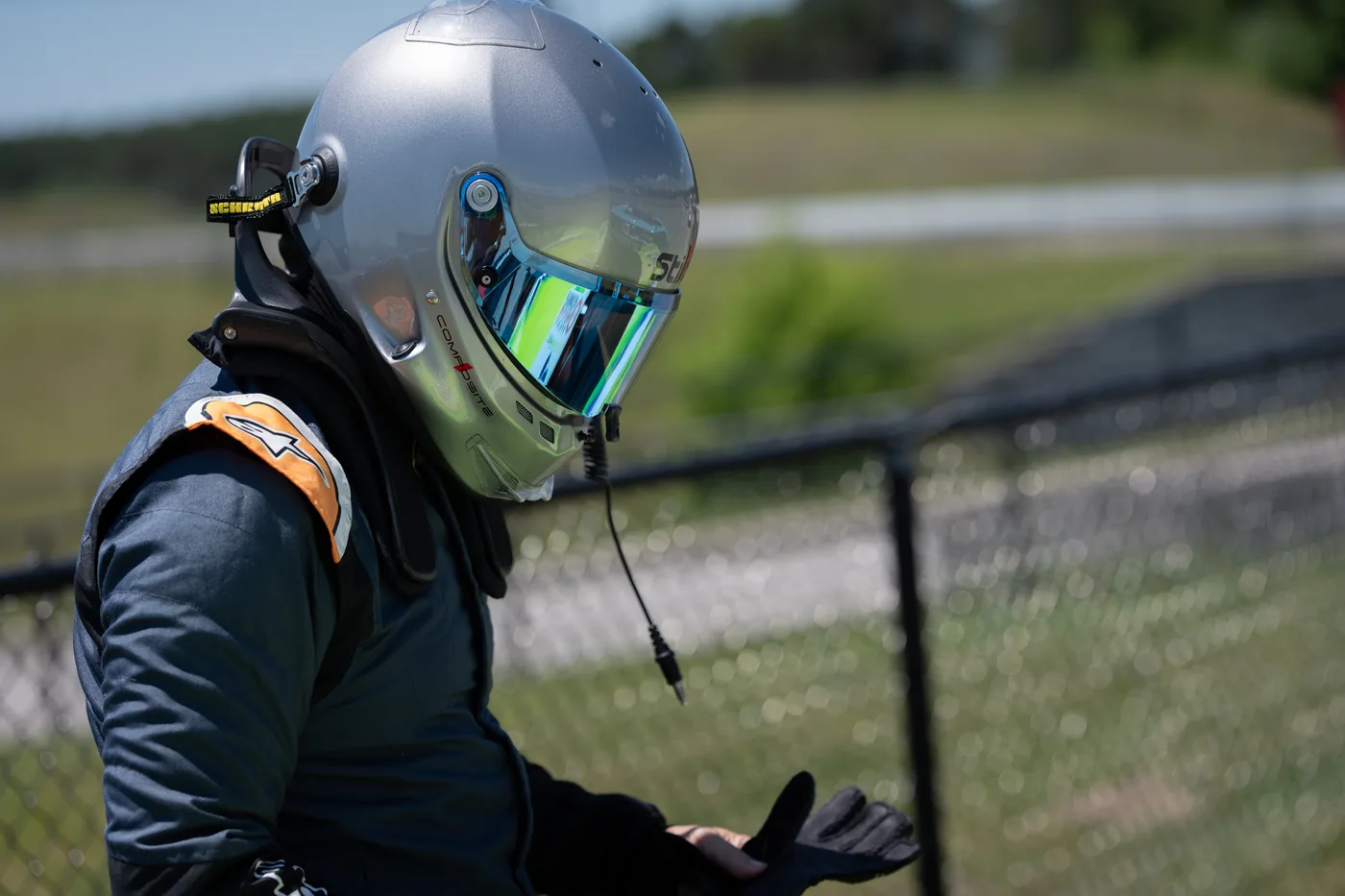
My first race was a club evening event at Calabogie earlier in June. One night, one race, home by bedtime. A regional CASC weekend is a different animal.
It runs across two full days, with practice, qualifying, and racing woven through each one, a bigger field, and a proper paddock rhythm around it all. There's tech inspection, a drivers meeting, a schedule you live by, and a lot of waiting punctuated by short windows where everything matters. The structure is the point. This is the format that builds real racers, and it's the format that counts toward the national license I'm chasing this year.
For a rookie, the biggest adjustment isn't the driving. It's the pacing. You learn to manage your energy, your focus, and your tires across two days instead of one evening. Nobody teaches you that in a classroom.
Where the lap time came from
Back to those three numbers. 1:24.667 was my best lap early in the weekend. By the end it was 1:24.173. Half a second at a track like this doesn't come from one heroic corner. It comes from small corrections stacked on top of each other. Braking a car length later here. Carrying a little more speed through the middle of a corner there. Being smoother releasing the brake so the car stays settled over the crests.
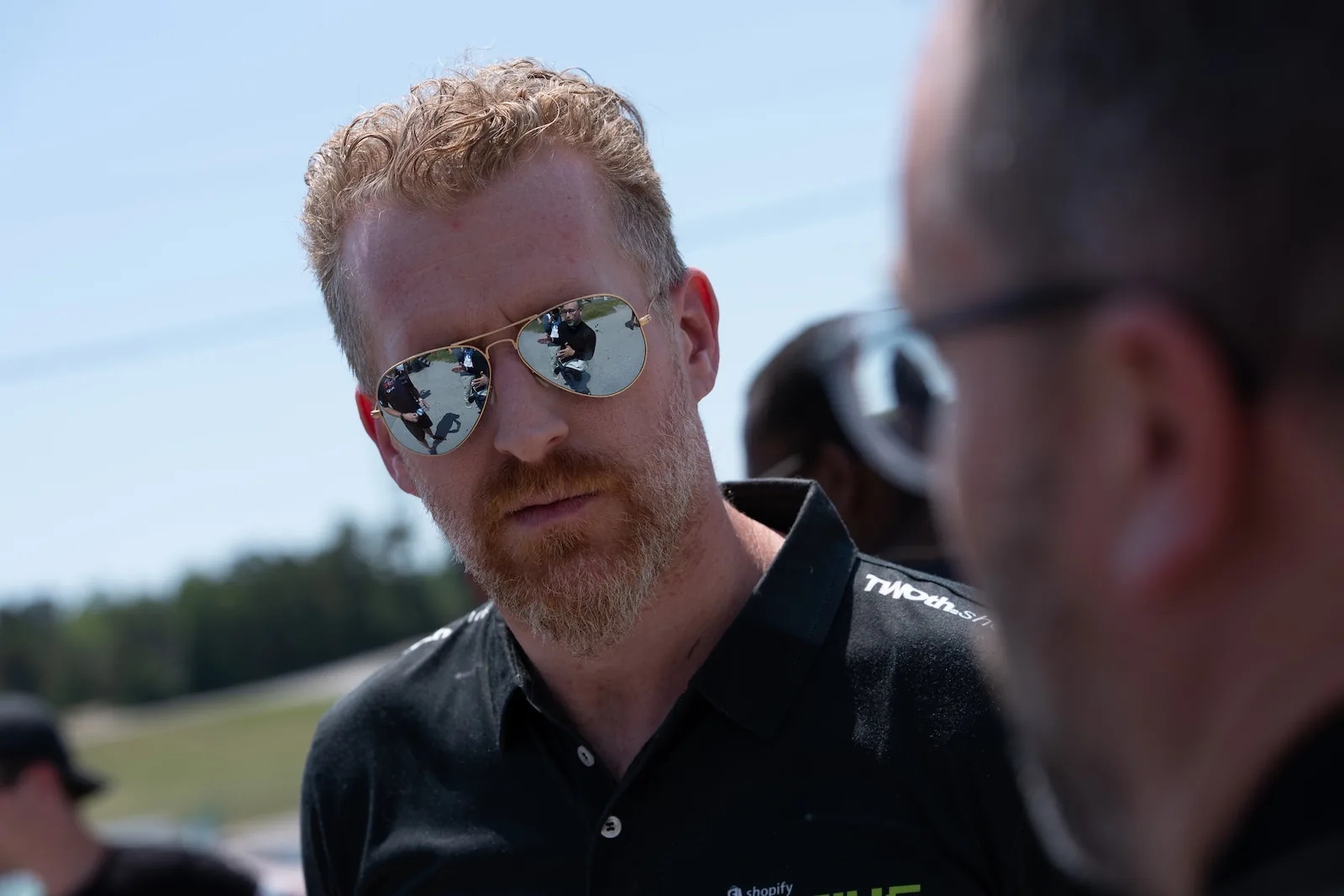
The tool that unlocked it wasn't in the car. It was the debrief. After every session I sat down with Malcolm, my coach at TWOth, and we went through the data and video from the AIM system. Where the time was. Which corners were costing me. What one or two things to change next session. Not ten things. One or two.
That rhythm, drive, debrief, adjust, repeat, is where the half second lived. I'm convinced most rookies leave far more than that on the table simply because nobody structures the loop for them.
Firsts I won't forget
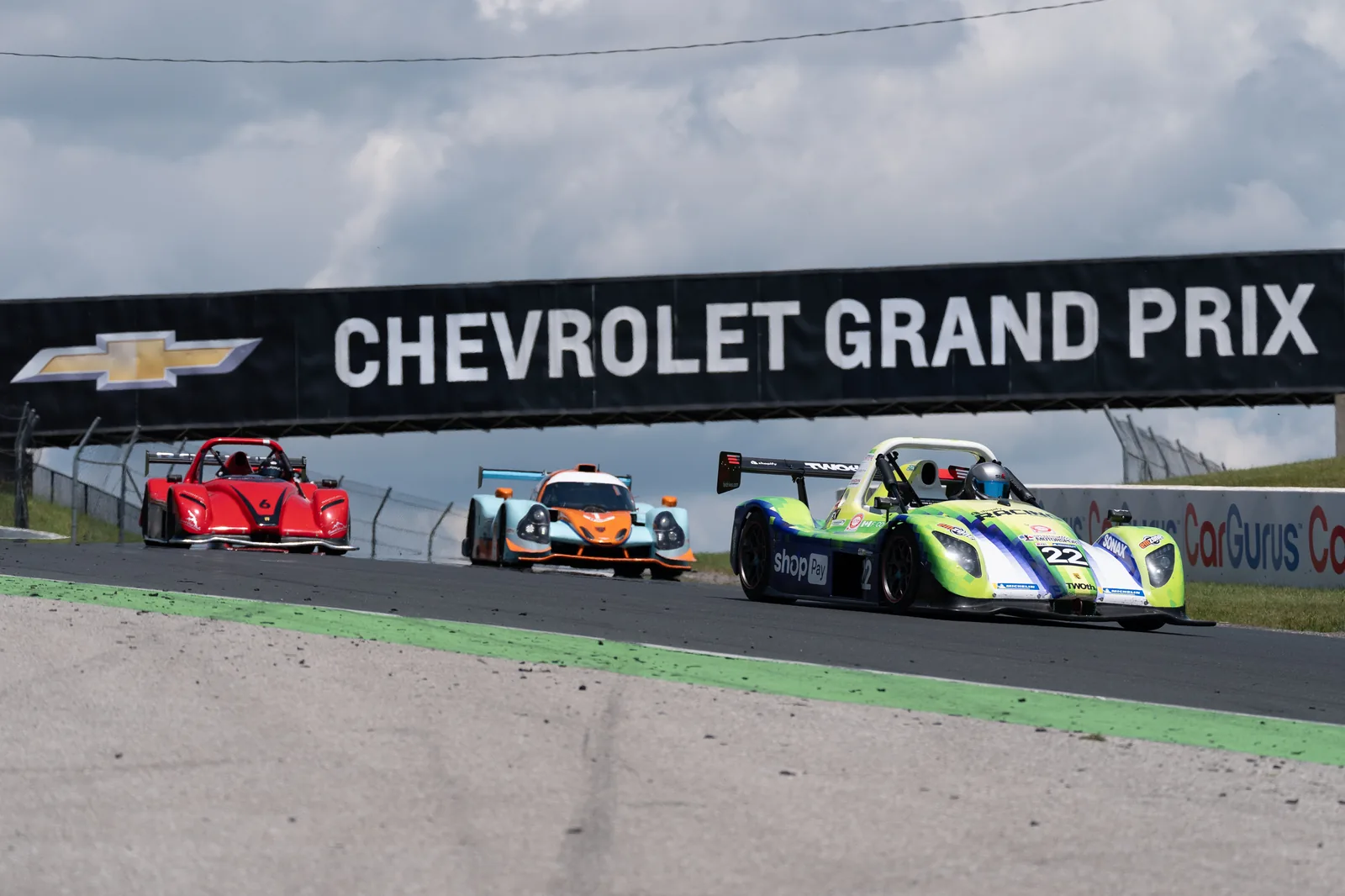
Somewhere out there I made my first real overtake in wheel to wheel racing. I had passed cars in practice before, which counts for nothing. Doing it in a race, with both of us committed and something at stake, is a different feeling entirely. I have replayed it about fifty times since.
I also finished both races, which sounds unremarkable until you've seen how many ways a race weekend can end early. And when a moment unfolded in front of me, I stayed out of it and brought the car home clean. Ask any team owner: finishing, and not collecting someone else's accident, is a skill.
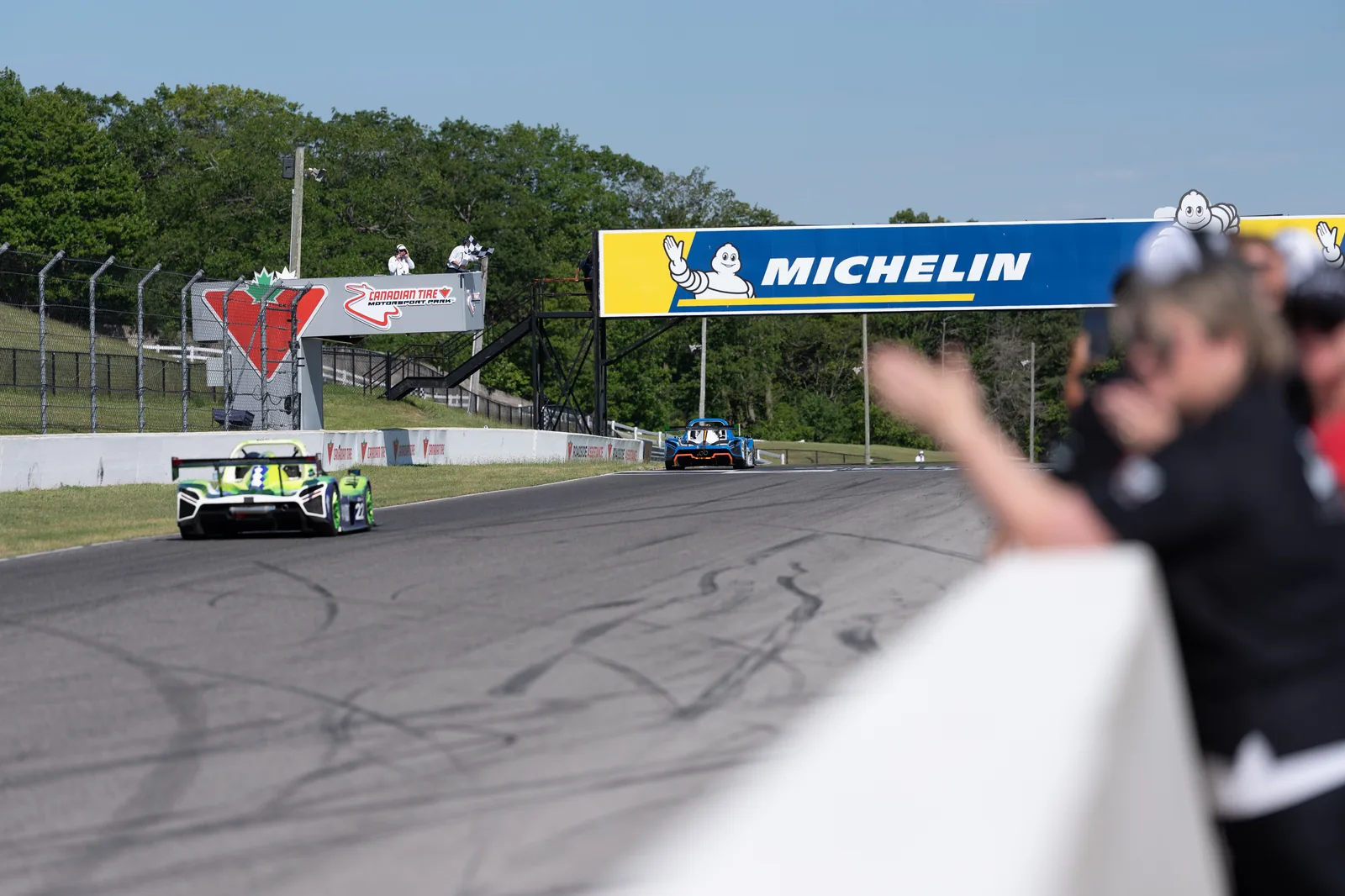
Race two closed with a P4 in class. I'd be lying if I said I didn't glance at the podium. But for a first regional weekend, I'll take it and build.
What I actually learned
If you're on your own path into racing, here's what this weekend taught me, in the order it taught me.
Progress is measured in tenths, not seconds
Chasing one big lap wrecks a weekend. Stacking small, boring improvements builds one.
The debrief is where the speed lives
Fifteen structured minutes after each session were worth more than any extra lap would have been. If you don't have a coach, do it anyway. Write down three things while the session is still fresh.
Racecraft is a separate skill from pace
Being quick alone and being good in traffic are two different educations, and the second one only happens in real races.
Finishing is a strategy
Every clean finish builds your license case, your confidence, and your reputation in the paddock. Protect it.
And one more, bigger than the rest. None of this weekend's structure existed by accident. The schedule, the debrief loop, the objectives for next time. A great team builds that scaffolding around you, and most drivers never get it. That gap is exactly why we're building ShiftGate.
Next up
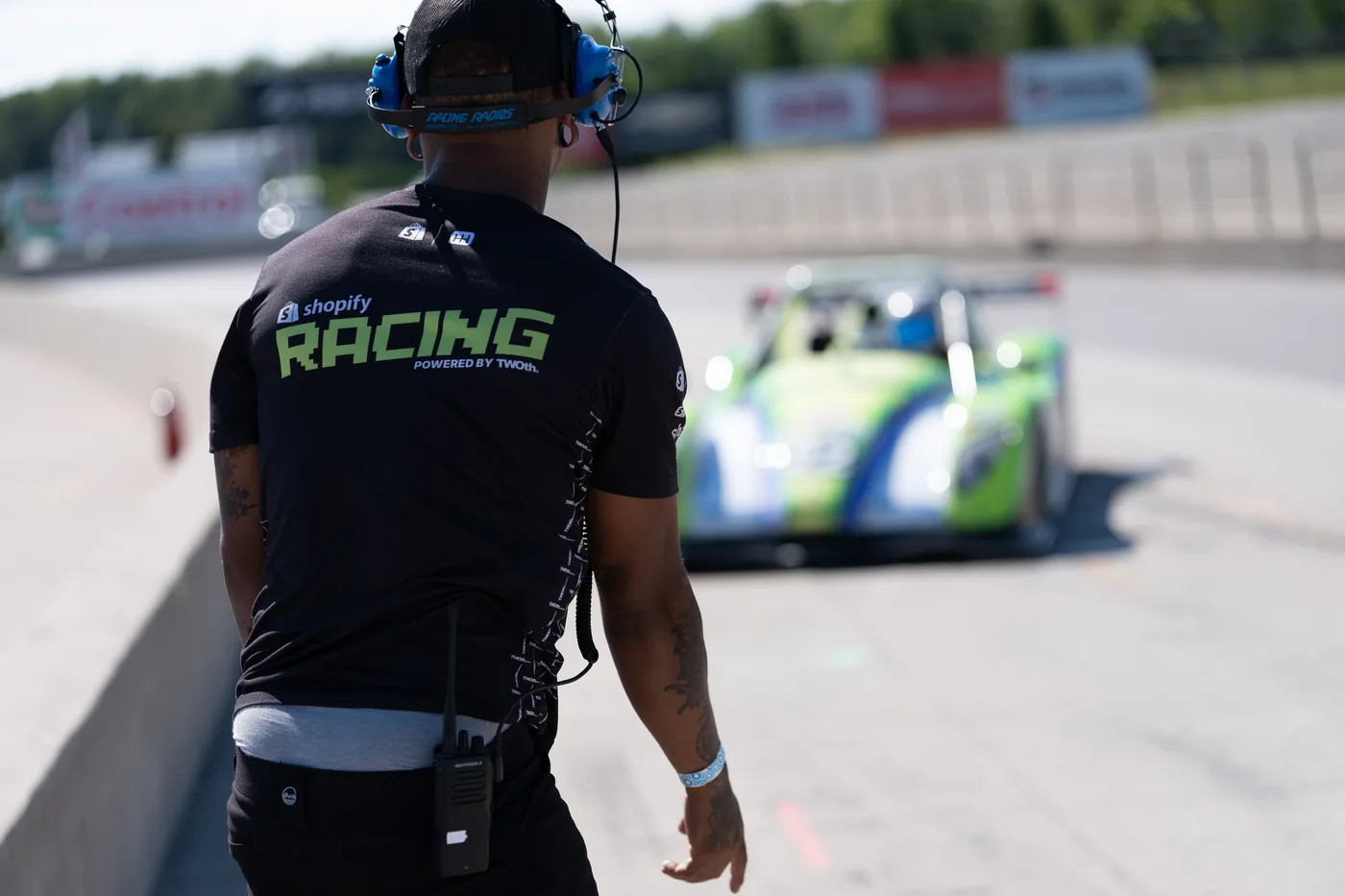
I'm back at the same track on July 25 and 26 for the next CASC regional round, this time with a baseline, a set of objectives from the debrief, and sim homework to do before I arrive. Same corners, higher bar.
Follow the season as it happens
The recaps land here first. Join the list and come along for the climb.
Join the waitlist